“16th Century” search results (600)

The spread of coffee and the chronicle of the cultivation of coffee began in the 15th century.
The spread of coffee the cultivation of coffee began in the 15th century. For hundreds of years, Yemen in the Arabian Peninsula is the only coffee producer in the world, and the market demand for coffee is very strong. In the Yemeni port of Moka, when coffee is shipped out, it often needs to be protected by heavy troops. At the same time, Yemen has also taken various measures to prevent coffee saplings from being taken out of the country. Although there are many restrictions
2015-06-23 Coffee spread Chronicle planting began in the 15th century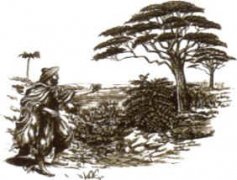
World Coffee-1
In 622, Muhammad, the prophet of Islam, led the believers to migrate from Mecca to Medina and began to establish a church state, which developed into a powerful empire spanning Central Asia to the Liberian Peninsula in a century. Ethiopia, the origin of coffee, was included in the Ilan Empire and remained independent as a Christian country. Coffee began to flow from Ethiopia to Afghanistan in the early 11th century.
2014-08-07 Coffee knowledge World Coffee Coffee Encyclopedia
History of Colombia Coffee
The history of coffee cultivation in Colombia can be traced back to the Spanish colonial era in the 16th century. There are also many sayings about the history of coffee in Colombia: First, it is said to have been transmitted from the Caribbean island of Haiti via El Salvador in Central America. Second, coffee beans were first introduced into Colombia in 1808 by a priest from the French Antilles via Venezuela. one of
2016-06-01 Colombia Coffee History Origin Cultivation May
The origin of instant coffee starts from a major event in history.
Around the 19th century, coffee gradually formed a coffee culture after its development and precipitation in Europe. Coffee culture was reborn in Europe, but it was sublimated and brilliant in the United States, so that coffee is now popular all over the world. The birth of instant coffee starts from a major event in history. At the beginning of the 18th century, coffee conquered the city and territory of London, England, and it was about to turn against the sky.
2015-10-21 Instant coffee origin but also in history a big event speaking of the 19th century
The History and Culture of Chinese Coffee when was coffee introduced into Europe
In a Palestinian cafe in 1570, when Turkish troops besieged Vienna and failed to retreat, a bag of black seeds was found in the Turkish army barracks. No one knew what it was. A Polish man who had lived in Turkey took the bag of coffee and opened his first coffee shop in Vienna. At the end of the 16th century, coffee was passed in the name of Islamic wine.
2016-06-04 China coffee history and culture when was introduced Europe Palestine a family
Introduction to the Flavor Manor of Yega Sheffivoka Coffee Variety producing area in Ethiopia
Ethiopia is an ancient country with a history of 3000 years of civilization. The Hamite people who immigrated from the southern Arabian Peninsula were the earliest inhabitants. Monlinique I reigned in 975 BC. The Kingdom of Nubia was established in the 8th century BC. From the 1st century to 976 AD, the Ethiopian Empire, also known as the Kingdom of Aksum, was established in Aksum in the north. Christianity was introduced into Ethiopia in the 4th and 5th centuries.
2016-09-22 Ethiopia Yega Sheffield Waka Coffee Variety producing area Flavor Taste
Colombia Coffee Features Colombia Coffee Flavors
The history of coffee cultivation in Colombia can be traced back to the Spanish colonial era in the 16th century. There are also many sayings about the history of coffee in Colombia: First, it is said to have been transmitted from the Caribbean island of Haiti via El Salvador in Central America. Second, coffee beans were first introduced into Colombia in 1808 by a priest from the French Antilles via Venezuela. one of
2016-08-29 Colombia Coffee Characteristics Flavor Cultivated History May
Introduction of Fine Coffee with characteristics of Coffee Variety in Fenghuang Manor, Costa Rica
It is the cultural confluence of Central and South America. When the Spaniards conquered America in the 16th century, the northern part of Costa Rica was the southernmost territory of the Mayan civilization, the central and southern regions were Chibucha territories, and the west coast was inhabited by black slaves traded from Africa from the 17th to 18th centuries. at this time, many Chinese workers came here to build railways.
2016-09-24 Costa Rica Fire Phoenix Manor Coffee varieties producing areas characteristics Fine goods introduction
Description of Flavor and Taste of Coffee Variety in Ethiopia Coffee Manor
Ethiopia is an ancient country with a history of 3000 years of civilization. The Hamite people who immigrated from the southern Arabian Peninsula were the earliest inhabitants. Monlinique I reigned in 975 BC. The Kingdom of Nubia was established in the 8th century BC. From the 1st century to 976 AD, the Ethiopian Empire, also known as the Kingdom of Aksum, was established in Aksum in the north. Christianity was introduced into Ethiopia in the 4th and 5th centuries.
2016-09-23 Ethiopia coffee manor variety flavor taste description boutique coffee beans
Colombia Coffee History Colombia Coffee Bean Flavor Characteristics Description
The history of coffee cultivation in Colombia can be traced back to the Spanish colonial era in the 16th century. There are also many sayings about the history of coffee in Colombia: First, it is said to have been transmitted from the Caribbean island of Haiti via El Salvador in Central America. In 1808, a priest was sent from the French Antilles.
2022-05-28 Colombia Coffee History Origin Cultivation May
Coffee Culture Amsterdam Coffee style
The most famous in the Netherlands is tulips, windmills, wooden shoes, and a big coffee trading country. The Dutch began drinking coffee at home at the turn of the 16th century. Until the opening of the first coffee shop in the mid-1660s, almost no family did not drink coffee in the morning. Not only the upper-middle class, but also their servants can taste coffee. These coffee houses all have their own unique style. Especially
2015-03-16 Coffee culture Amsterdam amorous feelings Holland famous tulips wind
Introduction to the making method of coffee, one of the three major drinks in the world
The cultivation and production of coffee in the 17th century has always been monopolized by Arabs. At that time, it was mainly used in medicine and religion, and doctors and monks admitted that coffee had the effects of refreshing, awakening, strengthening the stomach, strengthening the body and stopping bleeding. The use of coffee was documented at the beginning of the 15th century and was integrated into religious ceremonies during this period. At the same time, it also appeared in the folk as a daily drink. Because of Islam
2016-06-29 World three Beverage one Coffee making way introduction 17th Century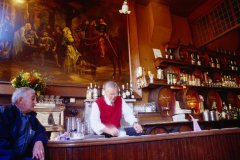
Boutique coffee culture Amsterdam coffee style
The most famous in the Netherlands is tulips, windmills, wooden shoes, and a big coffee trading country. The Dutch began drinking coffee at home at the turn of the 16th century. Until the opening of the first coffee shop in the mid-1660s, almost no family did not drink coffee in the morning. Not only the upper-middle class, but also their servants can taste coffee. These coffee houses all have their own unique style. Especially
2014-12-31 Boutique coffee culture Amsterdam coffee amorous feelings Holland famous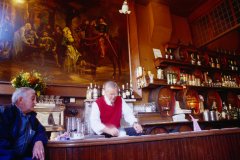
Boutique Coffee Culture appreciate Amsterdam Coffee style
The most famous in the Netherlands is tulips, windmills, wooden shoes, and a big coffee trading country. The Dutch began drinking coffee at home at the turn of the 16th century. Until the opening of the first coffee shop in the mid-1660s, almost no family did not drink coffee in the morning. Not only the upper-middle class, but also their servants can taste coffee. These coffee houses all have their own unique style. Especially
2014-10-09 Coffee culture Amsterdam coffee amorous feelings coffee history
The Development of World Coffee in World History 1
In 622, Muhammad, the prophet of Islam, led the believers to migrate from Mecca to Medina and began to establish a church state, which developed into a powerful empire spanning Central Asia to the Liberian Peninsula in a century. Ethiopia, the origin of coffee, was included in the Ilan Empire and remained independent as a Christian country. Coffee began to flow from Ethiopia to Afghanistan in the early 11th century.
2015-07-27 World Coffee World History medium Development process 622 Islam
Introduction of Arabica Coffee Manor in Bali, Indonesia
The prosperity of coffee in Indonesia was not sustainable, coffee production was fatally hit at the end of the 18th century, and leaf rust, originally found in West Java, spread rapidly, destroying the Arabica coffee estate in Indonesia. The leading position of the coffee trade was replaced by the American producing countries. However, it is worth mentioning that the leaf rust disaster did not affect the eastern Indonesian producing areas, namely, Flores Island and Timor, today.
2016-08-01 Indonesia Bali coffee variety manor producing area introduction rabbi
Colombian Coffee cultivation History Arabica Coffee Bean Iron Bica
The history of coffee cultivation in Colombia can be traced back to the Spanish colonial era in the 16th century, and there are many theories about the history of coffee in Colombia: one: it is said to come from the island of Haiti in the Caribbean and from El Salvador in Central America. Second: in 1808, a priest introduced coffee beans to Colombia for the first time from the French Antilles via Venezuela. One of them
2016-04-22 Colombia coffee planting history rabbi coffee beans Tibby
Introduction to the origin and taste of 16 kinds of high-quality coffee
1.RwandaKivu Rwanda-No introduction: Rwandan coffee beans were introduced to Rwanda by German missionaries in the 20th century. Because of Rwanda's superior climate and unique geographical environment, growing coffee beans has a unique fruity and grassy aroma. There are many planting bases in Rwanda, but the coffee beans produced without machines are even better, not only because of their own.
2015-01-09 Coffee basics common sense sixteen boutique origin taste introduction 1.Rwan
Burundian Coffee with strong aromatic Flavor and Taste. Introduction to the characteristics of boutique coffee beans in the manor area.
Formerly known as Urundi, Burundi formed a feudal kingdom in the 16th century. Since the middle of the 19th century, the forces of Britain, Germany and Belgium invaded. The long-ruled monarchy, which was conquered by Germany in 1890, listed it as the territory of German East Africa and fell under the control of the Belgian army in 1916. After World War I, the League of Nations merged Rwanda-
2016-09-06 Taste aroma rich Burundian coffee flavor taste manor producing area characteristics
Colombia Santa Rita Coffee Green Bean Washing in Andes Microregion
The history of coffee cultivation in Colombia can be traced back to the Spanish colonial era in the 16th century. There are also many sayings about the history of coffee in Colombia: First, it is said to have been transmitted from the Caribbean island of Haiti via El Salvador in Central America. Second, coffee beans were first introduced into Colombia in 1808 by a priest from the French Antilles via Venezuela. one of
2016-06-20 Colombia Santa Rita Coffee Green Beans Andes Mountains Producing Area Washing Processing